
Cloud Management & Migration
Strategic cloud migration planning and ongoing multi-cloud infrastructure management, ensuring performance, cost optimization, and security at every stage.
Learn moreLos Angeles County, CA
Long Beach is home to the busiest port complex in the Western Hemisphere and a critical node in America's energy and aerospace infrastructure, putting it under federal security regulations, including NERC CIP and MTSA, that most Southern California cities never encounter. AdVran builds compliance programs for Long Beach's unique position at the crossroads of critical infrastructure, maritime commerce, and aerospace manufacturing.
Frequently asked questions
NERC Critical Infrastructure Protection standards are mandatory cybersecurity requirements for organizations operating bulk electric system infrastructure. Long Beach's port operations, oil refineries, and energy distribution facilities may fall under NERC CIP jurisdiction. These standards require specific controls for electronic security perimeters, access management, security monitoring, incident reporting, vulnerability management, and recovery planning. Violations carry penalties up to $1 million per day. AdVran helps Long Beach energy and critical infrastructure operators set up and maintain NERC CIP compliance.
The Maritime Transportation Security Act requires facilities interfacing with vessels to maintain Facility Security Plans that include cybersecurity components. The Coast Guard's NVIC 01-20 guidance specifically addresses cyber risk in the maritime environment. The IMO's MSC.428(98) resolution requires cyber risk management in safety management systems. Long Beach terminal operators, stevedoring companies, and maritime logistics firms face all of these. AdVran sets up cybersecurity programs aligned to MTSA and Coast Guard expectations.
Long Beach aerospace companies, including those in Boeing's supply chain and the growing space launch sector, face the same DFARS and CMMC requirements as defense contractors anywhere. But they also frequently handle export-controlled technical data under ITAR and EAR due to the nature of aircraft and space vehicle components. Combining CMMC and export control compliance requires careful architectural planning. AdVran builds environments that satisfy both at the same time.
What we offer
Strategic cloud migration planning and ongoing multi-cloud infrastructure management, ensuring performance, cost optimization, and security at every stage.
Learn more
Augment your in-house IT team with AdVran's certified engineers, 24/7 SOC, and compliance experts. Keep the people who know your business; add the depth you cannot hire.
Learn more
Continuous compliance monitoring, audit readiness, and risk management across HIPAA, CMMC, PCI-DSS, SOX, and other regulatory frameworks.
Learn more
Multi-layered cybersecurity for Southern California SMBs: EDR/MDR endpoint protection, email security, identity and access management, vulnerability management, SIEM monitoring, and security awareness training.
Learn more
Immutable backups, tested restore procedures, and disaster recovery as a service for California businesses. Built to actually work when ransomware hits, not just on paper.
Learn more
Responsive, security-aware help desk services covering device management, onboarding, offboarding, and day-to-day IT support for your entire workforce.
Learn more Rapid breach containment, forensic investigation, disaster recovery, and post-incident hardening to minimize damage and prevent recurrence.
Learn more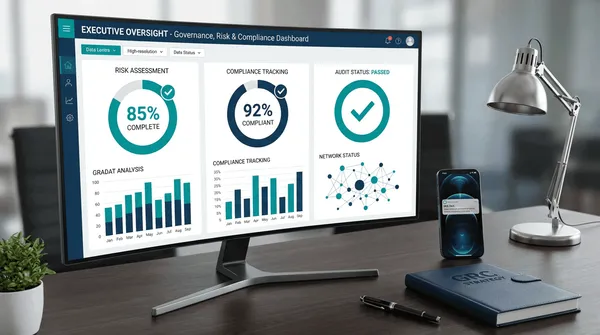
Fully managed IT services for Southern California SMBs. One flat monthly rate covers 24/7 monitoring, patch management, endpoint protection, and vCIO advisory - so your team stays focused on the business, not the infrastructure.
Learn more
End-to-end Microsoft 365 administration, security hardening, license optimization, and independent backup for California businesses. Built for SMBs and mid-market teams that outgrew the default settings.
Learn more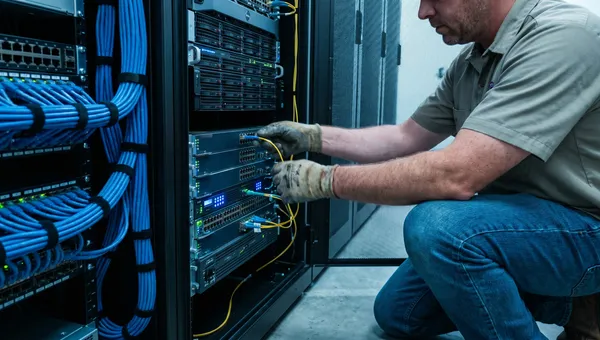
Design, deployment, and management of enterprise network infrastructure including SD-WAN, Wi-Fi, VPN, and multi-site connectivity.
Learn more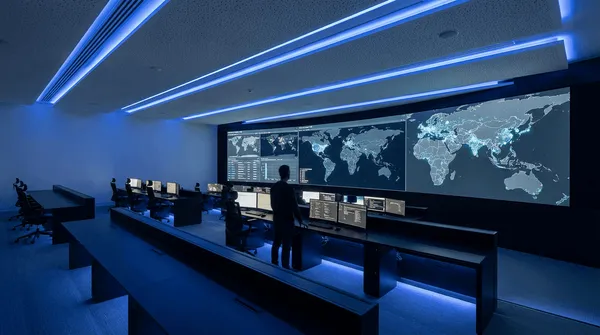
24/7 SOC monitoring, SIEM-powered threat detection, and proactive threat hunting to identify and neutralize attacks before they cause damage.
Learn more Targeted IT services covering email and spam protection, data backup and disaster recovery, and Microsoft 365 management for Southern California businesses with specific operational and compliance requirements.
Learn more