The True Cost of a Data Breach in 2026

Beyond the headline number — what a breach actually costs small and mid-sized businesses in downtime, reputation, and regulatory penalties.
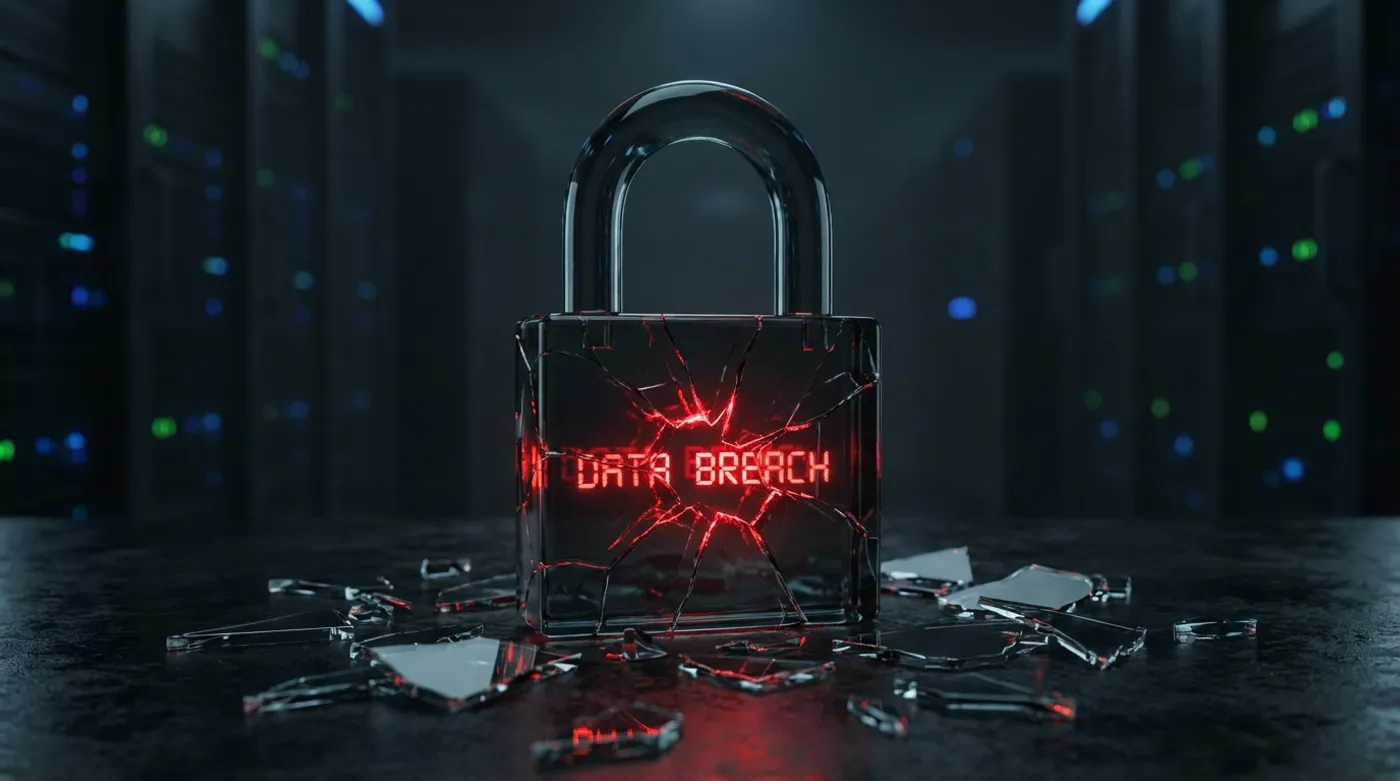
Data breach cost analysis

When headlines report “average data breach cost,” they rarely tell the whole story. For small and mid-sized businesses in 2026, the real impact extends far beyond the initial incident response. Understanding these hidden costs is critical for making informed decisions about security investments.

Beyond the Headline Number

The average breach cost for SMBs has climbed steadily—now ranging from $150,000 to $400,000+ depending on industry and scale. But that figure often excludes what hurts most: downtime that kills productivity, lost customers who lose trust, legal fees that drag on for years, and regulatory fines from GDPR, CCPA, HIPAA, and state privacy laws. A single breach can easily double or triple when you factor in these elements.

Why SMBs Are Increasingly Targeted

Threat actors know that SMBs often have weaker defenses and fewer dedicated security resources than enterprises—yet they hold valuable customer data, intellectual property, and payment information. Automated attacks and ransomware-as-a-service have lowered the barrier for criminals targeting smaller organizations. The result: SMBs now account for a disproportionate share of breach victims.

The Unified MSP/MSSP Advantage

Organizations that take a unified approach—combining managed IT services with managed security operations—dramatically reduce breach impact. Incident response plans ensure you’re not scrambling when an event occurs. Endpoint Detection and Response (EDR) catches threats before they spread. 24/7 monitoring and human analysts mean you’re not relying on alerts that go unanswered overnight or over weekends. When prevention fails, rapid detection and containment keep costs from spiraling. The investment in a coordinated MSP/MSSP partnership pays for itself many times over when—not if—the next threat emerges.